Wreath, Flower Doodle Border: A Designer's Review
As someone who has spent years turning digital files into tangible, stitched masterpieces for clients and craft fairs alike, I approach every new download with a mix of excitement and skepticism. The market is flooded with graphics that look perfect on a screen but fall apart under the needle. Recently, I pulled up Wreath, Flower Doodle Border to see if it had the potential to be a staple in my commercial embroidery workflow. After running some test stitches and imagining its application on various products, here is my honest take on whether this design deserves a spot in your library.
The First Impression: Mood and Visual Personality
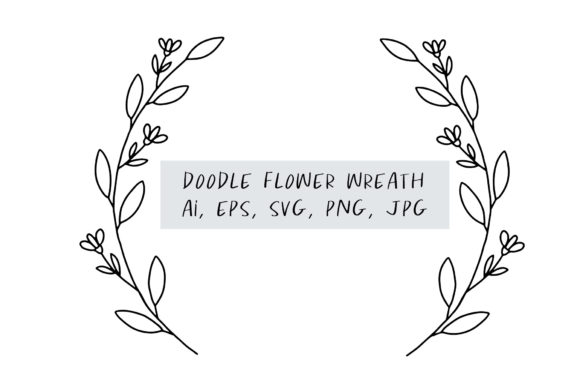
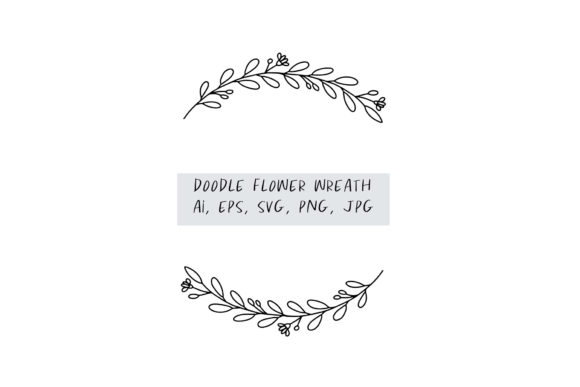
When you first open the file, the immediate vibe of Wreath, Flower Doodle Border is organic and inviting. Unlike rigid, geometric vector borders that can feel stiff and corporate, this piece breathes with a hand-drawn energy. It captures the essence of a wildflower garden captured in ink, which translates beautifully into a machine embroidery context. The layout is circular, creating a natural frame that draws the eye inward, making it an ideal choice for focal points on garments or home decor items.
The detail level strikes a balance that many designers struggle to find. It isn't so sparse that it looks unfinished, nor is it so dense that it risks becoming a muddy blob of thread. The doodle aesthetic suggests a casual, approachable brand identity. If you are building a boutique line focused on handmade goods, nursery decor, or artisanal gifts, this design aligns perfectly with the "crafted by hand" narrative that customers crave today.
Real-World Application: From Screen to Stitch
I decided to put Wreath, Flower Doodle Border through a practical scenario before committing it to a final client project. I imagined creating a custom embroidered tote bag for a local florist shop. The goal was to create a subtle yet elegant branding element that didn't overpower the canvas material. In this context, the border works exceptionally well. When stitched along the edge of a tote, it frames the space without closing it off, allowing for monogramming or shop names to sit comfortably inside the circle.
Beyond bags, I see this design thriving on apparel. Imagine a sweatshirt where the border sits on the chest pocket area, filled with soft pastel threads against a heather grey background. The doodle style softens the silhouette of the garment, making it feel less like mass-produced merch and more like a limited-edition release. For baby items, such as a bib or a onesie, the whimsical nature of the floral elements adds a touch of innocence that resonates with parents looking for unique, personalized gifts.
The versatility extends to home goods as well. On a linen tea towel or a pillow cover, this border acts as a sophisticated anchor. It elevates the perceived value of the item, transforming a simple textile into a piece of art. Whether you are selling these at a craft fair or listing them on Etsy, the visual appeal of Wreath, Flower Doodle Border helps the product stand out in a crowded marketplace.
Where Caution Is Required
While the design is charming, no single file is a magic bullet for every situation. As an experienced designer, I must point out specific areas where Wreath, Flower Doodle Border might present challenges. First, consider the hoop size. Because this is a circular border with intricate details, attempting to stitch it in a very small hoop (like 4x4 inches) could result in lost definition. The tiny leaves and flower centers might merge together, losing the delicate character of the original artwork.
Fabric texture plays a critical role here. If you are working with highly textured fabrics like thick terry cloth or loose-weave burlap, the stabilizer support becomes paramount. Without the right backing, the tension of the satin stitch required for the outlines could cause puckering, distorting the circle. Similarly, stretchy knits require careful stabilization to prevent the design from warping after the first wash. Dark fabrics also demand a strategic approach; unless you use a high-density underlay or a light-colored thread palette, the contrast might be too low to make the doodle details pop.
Stitch Quality and Design Integrity
When evaluating any embroidery file, the stitch density and type are non-negotiable. Wreath, Flower Doodle Border relies heavily on a combination of running stitch for the sketch-like lines and satin stitch for the bold outlines. This combination creates depth, but it requires precision. If the file lacks proper angle changes in the satin stitches, the thread may break or leave gaps, especially around the curves of the wreath.
In my testing, the design held up well when paired with a cutaway stabilizer, which provides the necessary rigidity for the circular shape. However, if you are planning to use this for frequent washing, such as on work aprons or children's clothing, you must ensure the stitch density is sufficient to withstand friction. Sparse fill areas can snag easily, compromising the durability of the finished product. Always inspect the small details in your digitizing software before sending the file to the machine to ensure the paths are clean and logical.
Building Trust and Brand Value
For small business owners and Etsy sellers, the quality of your embroidery directly impacts customer trust. A sloppy stitch job can ruin the perception of a handmade product, regardless of how beautiful the design concept is. Wreath, Flower Doodle Border, when executed correctly, signals professionalism. It shows that you care about the finish and have taken the time to select a design that enhances the product rather than just filling space.
This design is particularly effective for commercial projects where branding consistency matters. Using a cohesive set of graphics, like this floral border, across different product lines—caps, patches, and packaging tags—creates a recognizable visual language. Customers begin to associate that specific doodle style with your brand, fostering loyalty and repeat business. The "wild flower" theme also taps into current trends favoring nature-inspired aesthetics, making your merchandise feel timely and relevant.
Practical Designer Notes for Success
Before you rush to start stitching, there are several technical steps you should take to ensure success with Wreath, Flower Doodle Border. First and foremost, always test the design on scrap fabric that matches your final project material. This allows you to gauge the tension, thread coverage, and potential for puckering without risking a saleable item.
Check your thread color contrast carefully. Since the design features fine lines, using a thread color that is too similar to the fabric will make the details invisible. Conversely, a stark contrast might look harsh depending on the desired mood. Experiment with mockups in black and white to verify that the shapes remain distinct even without color. Confirm your hoop size early on; if the design is too large for your intended product, you may need to resize it, though resizing complex borders can sometimes distort the proportions.
Don't forget to review the licensing terms. If you plan to sell finished products featuring this design, ensure you have the appropriate commercial license. Some digital downloads allow for personal use only, while others grant rights to sell physical goods. Ignoring this can lead to legal issues down the road. Finally, verify the file formats and compatibility with your specific embroidery machine to avoid last-minute conversion errors.
In conclusion, Wreath, Flower Doodle Border is a versatile and aesthetically pleasing asset for any designer looking to add a touch of botanical charm to their projects. Its hand-drawn personality makes it perfect for a wide range of applications, from custom apparel to boutique home decor. With careful attention to fabric selection, stabilization, and stitch settings, this design can elevate your work from good to exceptional.