Watercolor Flower, Leaf Clipart Graphics and Illustrations Review
As a brand designer who has spent years refining visual identities for everything from boutique lifestyle brands to high-end editorial campaigns, I am constantly evaluating design assets not just for their aesthetic appeal, but for their strategic utility. When I first encountered the Watercolor Flower, Leaf Clipart, my immediate reaction was one of cautious optimism. In a market saturated with generic vector graphics, finding an asset that balances organic texture with commercial viability is rare. This review explores how this specific watercolor floral illustration fits into modern marketing workflows, particularly for small business owners, content creators, and marketers looking to elevate their brand identity without breaking the bank.
The First Impression: Mood and Audience Perception
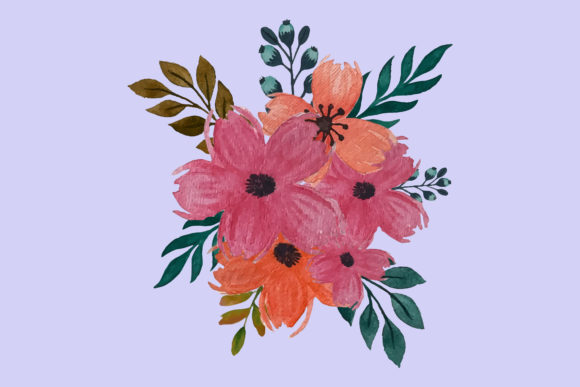
The moment you open the file, the mood is established. Watercolor brings an inherent sense of softness, authenticity, and handcrafted care to any project. Unlike rigid geometric vectors, this graphic design asset suggests human touch and artisanal quality. For a brand owner, this translates directly to audience perception. It signals that your product or service is curated, thoughtful, and perhaps a bit luxurious in its simplicity.
This emotional tone is highly effective for casual branding, handmade products, and lifestyle content. It creates an inviting atmosphere that encourages engagement. However, it is crucial to recognize that this asset does not scream "corporate efficiency." Instead, it whispers "trust" and "warmth." If you are launching a new skincare line, a wedding planning service, or a cozy home decor brand, the watercolor flower, leaf clipart aligns perfectly with those values. It helps establish an emotional connection before the customer even reads your copy.
Real-World Application: A Seasonal Launch Scenario
To understand the true value of this asset, let’s look at a real-world scenario. Imagine you are a small business owner preparing to launch a limited-edition spring collection. You need a cohesive set of visuals for your social media, email newsletters, and packaging inserts. The deadline is tight, and your budget for custom illustration is zero.
Using the Watercolor Flower, Leaf Clipart here is a strategic move. Because you receive multiple formats including Ai EPS SVG PDG JPEG, you have immense flexibility. You can use the SVG version for clean, scalable website headers and the PNG versions for layered designs in Canva or Photoshop. By integrating these floral elements into your campaign, you achieve several key marketing goals:
- Stronger First Impression: The organic shapes immediately draw the eye, stopping the scroll on Instagram or Pinterest.
- Visual Consistency: Using the same watercolor style across all touchpoints reinforces your small business branding.
- Professional Appearance: High-quality watercolor textures prevent your designs from looking cheap or templated.
In this scenario, the asset isn't just decoration; it is a foundational element of your content marketing strategy. It allows you to produce professional-grade marketing visuals quickly, ensuring that your product presentation remains polished and appealing.
Versatility Across Marketing Channels
One of the strongest selling points of this illustration is its adaptability. In today’s omnichannel environment, your visuals must work seamlessly across different platforms. Here is how this asset performs in various contexts:
Social Media and Digital Ads
For social media graphics, the delicate details of the leaves and petals add depth to flat designs. They work exceptionally well as background accents for Instagram posts or as framing elements for Pinterest pins. When used in digital ads, they help soften the sales pitch, making the call-to-action feel less intrusive and more like an invitation.
Brand Identity and Packaging
If you are developing a logo design or working on packaging design, this clipart offers excellent accent potential. It can be used on product labels, thank-you cards, or box seals. The ability to isolate individual flowers or leaves allows for creative composition, supporting a modern design approach where negative space is just as important as the imagery itself.
Editorial and Web Design
For bloggers and publishers, this asset enhances editorial design by breaking up text blocks and adding visual interest to blog headers. In web design, it can serve as a decorative element in hero sections or sidebars, contributing to a memorable user experience. It also pairs beautifully with lead magnets and media kits, lending an air of professionalism and creativity.
Strategic Limitations and Careful Usage
No design asset is a silver bullet. As a marketer, I must advise caution in certain contexts. The organic, flowing nature of watercolor art may clash with industries that require strict minimalism or rigid structure. Avoid using this asset in formal corporate branding, dense information layouts, or designs where clarity of data is paramount.
Furthermore, be mindful of scale. While the high-resolution files support large prints, testing the asset in small sizes is crucial. On mobile screens, overly complex watercolor details might blur or become indistinguishable. Always preview your designs on actual devices. Additionally, ensure that the asset does not compete with your main message. If your ad is text-heavy, the watercolor elements should recede slightly, acting as a subtle enhancer rather than the focal point. This maintains a clear visual hierarchy, guiding the viewer’s eye to the most important information.
Practical Designer Notes for Implementation
To get the most out of this design bundle, follow these practical tips from a design perspective:
- Color Palette Testing: Import the asset into your brand’s color scheme. Watercolors often contain subtle gradients; ensure they harmonize with your primary brand colors. If they clash, consider adjusting the hue or saturation within your editing software.
- Typography Pairing: Test the asset against different font styles. It pairs elegantly with serif fonts for a classic look, script fonts for a romantic vibe, and handwritten fonts for a personal touch. However, be careful when pairing with bold display fonts, as the contrast might be too stark unless balanced properly.
- Black and White Check: Convert your design to grayscale to check contrast and readability. This ensures that the asset provides enough visual weight even if printed in black and white or viewed by someone with color vision deficiencies.
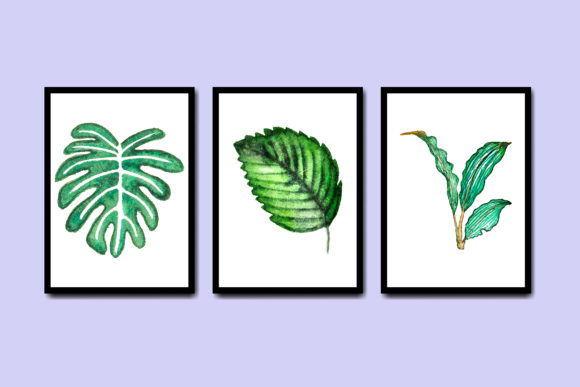
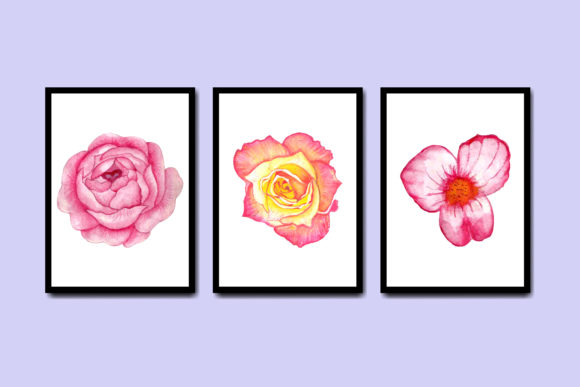
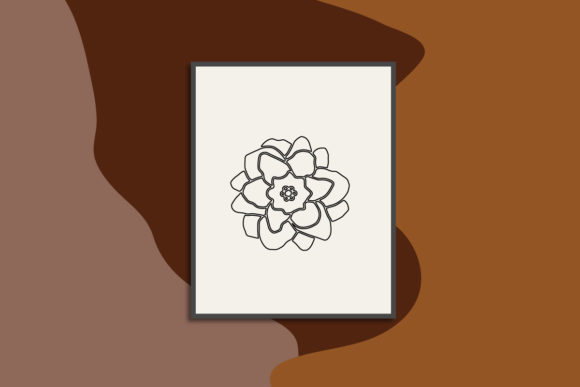
- Mockup Integration: Place the design inside real campaign mockups, such as a framed wall print or a diary cover. This helps visualize the final product and confirms that the asset holds up in realistic scenarios.
- Licensing Verification: Before using this in any paid campaigns or client work, confirm the commercial license. Understanding the usage rights protects your business from legal issues and ensures you can scale your professional branding efforts confidently.
Final Verdict
The Watercolor Flower, Leaf Clipart is more than just a pretty picture; it is a versatile tool for creative entrepreneurs and marketers. It supports the creation of visual content that feels authentic, warm, and professionally crafted. Whether you are refreshing your social media presence, designing printable promotions, or building a comprehensive design kit, this asset delivers significant value.
By leveraging its organic charm and technical versatility, you can create marketing visuals that stand out in a crowded digital landscape. It helps build audience trust through consistent, high-quality aesthetics. For anyone looking to enhance their creative marketplace offerings or improve their small business branding, this clipart is a strong addition to your toolkit. Just remember to use it strategically, respecting the balance between beauty and functionality, and you will see a tangible improvement in your campaign’s overall impact.