Watercolor Design for SVG Cut File: Graphics and Illustrations Review
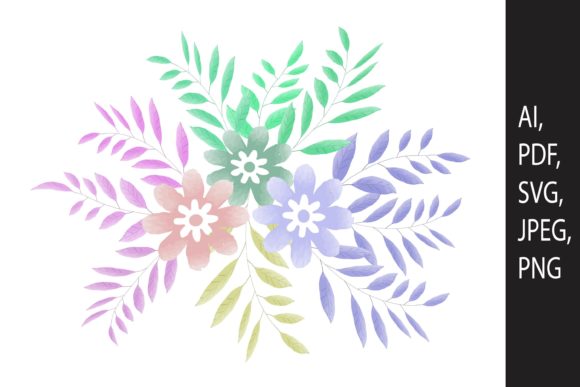
When a client approaches me with a request for "organic," "handcrafted," or "botanical" aesthetics, my first instinct is always to look for assets that feel authentic rather than algorithmic. In the world of brand identity and marketing visuals, texture is everything. Today, I am reviewing the Watercolor Design for SVG Cut File, specifically focusing on its potential as a core component in a design bundle for a handmade business or boutique product line. This asset, described as a Watercolor Leaf Greenery Element Set Illustration featuring a floral frame, promises versatility across wallpapers, fabric designs, cards, and more. But does it hold up under the scrutiny of professional commercial design?
First Impressions: Mood and Visual Authenticity
The immediate appeal of this graphic design asset lies in its watercolor aesthetic. Unlike flat vector shapes that can sometimes feel sterile, watercolor elements introduce a sense of movement and imperfection that resonates deeply with audiences seeking authenticity. The leaf greenery and floral frame components possess a soft, painterly quality that suggests a modern design sensibility rooted in nature. For a small business owner launching an Etsy shop or a brand looking to refresh its packaging design, this mood is invaluable.
The color palette appears natural and earthy, which helps in building visual trust. When used correctly, these illustrations do not scream for attention; instead, they support the overall composition with a gentle, inviting presence. This makes them particularly suitable for editorial design, wedding invitations, or organic skincare branding where a calm, sophisticated vibe is required. The fact that it is available as an SVG cut file adds a layer of utility that pure raster images cannot match, allowing for scalability without losing that delicate edge definition.
Real-World Application: From Digital to Physical
In a recent conceptual project for a local artisanal candle company, I needed a way to bridge the gap between digital marketing and physical product labeling. The client wanted their packaging to feel luxurious yet approachable. Here is how the Watercolor Design for SVG Cut File performed in various contexts:
- Packaging Design & Product Labels: The floral frame element works beautifully as a border for product labels. Because it is an SVG, I could scale it to fit perfectly around circular or rectangular label dimensions. The watercolor texture holds up well even when printed on textured paper stocks, adding a tactile dimension to the visual experience.
- Social Media Graphics: For Instagram posts and Pinterest pins, these elements serve as excellent decorative accents. Placing a cluster of leaves in the corner of a quote graphic adds depth without cluttering the message. It elevates standard templates into something that feels curated and high-end.
- Cricut Projects & Sticker Design: For crafters and print-on-demand sellers, the SVG format is crucial. The cut lines are clean, making it ideal for vinyl decals, laptop stickers, or t-shirt designs. The watercolor effect translates surprisingly well to sublimation prints, creating vibrant, detailed results on mugs and tote bags.
- Web Design & Blog Visuals: As a digital product, these assets lighten the load compared to heavy JPEGs while maintaining visual fidelity. They work well as header graphics or section dividers in web design, providing a soft transition between content blocks.
Strategic Placement: Where It Shines
To maximize the impact of this creative design, strategic placement is key. These assets perform best in large layout areas where their details can be appreciated. A hero banner for a website or a large poster benefits significantly from the expansive nature of the floral frame. Similarly, in product mockups, using these elements as overlays can instantly transform a generic template into a branded masterpiece.
They are also highly effective for themed collections. If you are designing a seasonal campaign—such as spring launches or autumn harvest promotions—the greenery and floral motifs provide instant thematic context. For Canva templates and downloadable planners, these illustrations add value by giving users a polished starting point that looks professionally designed.
Design Caution: Where to Exercise Restraint
Not every design challenge is suited for watercolor textures. There are specific scenarios where this SVG design might undermine your goals:
- Minimalist Branding: If the client’s brand relies on stark minimalism and geometric precision, the organic, bleeding edges of watercolor may clash with the desired aesthetic. In such cases, a cleaner vector line art would be more appropriate.
- Small Sizes: While SVGs are scalable, the subtle gradients and fine details of watercolor can get lost at very small sizes, such as favicons or tiny social media avatars. Always preview these assets at 16x16 pixels to ensure legibility.
- Complex Backgrounds: Using these elements on busy or patterned backgrounds can create visual noise. The asset requires breathing room to shine. Ensure there is sufficient negative space around the illustration to maintain a clear visual hierarchy.
- Low-Contrast Designs: Watercolors often feature mid-tones. If placed against a similarly toned background, the element may disappear. Test for contrast rigorously to ensure the design remains visible and accessible.
Professional Designer’s Checklist
Before integrating the Watercolor Design for SVG Cut File into a final client deliverable, I recommend running through this practical checklist to ensure quality and compliance:
- Black and White Test: Convert the asset to grayscale. Does the composition still hold together? This helps identify if the design relies too heavily on color rather than form.
- Font Pairing: Experiment with different typography styles. A serif font complements the classic elegance of watercolor, while a script font enhances the handcrafted feel. Avoid overly rigid sans serif fonts unless aiming for a modern juxtaposition. Handwritten or display fonts can also work well for titles.
- Mockup Testing: Place the asset on real-world mockups, such as a kraft paper box or a linen card. This reveals how the colors interact with different materials and lighting conditions.
- File Inspection: Verify the PNG transparency if included, ensuring no white boxes appear behind the watercolor strokes. Check the SVG code for cleanliness to ensure it edits smoothly in Illustrator or CorelDRAW.
- Licensing Confirmation: Most importantly, confirm the commercial license. Ensure you have the right to use the asset for end products sold to clients, whether that involves sublimation design, t-shirt design, or resale as a printable design.
Final Verdict
The Watercolor Design for SVG Cut File is a versatile and emotionally resonant asset that fits seamlessly into a wide array of design projects. Its ability to function both as a digital illustration and a physical cut file makes it a valuable addition to any designer’s toolkit. For those in the creative marketplace, selling Etsy products, or building small business branding, this asset offers a quick path to a polished, professional look. By understanding its strengths and respecting its limitations, designers can leverage this watercolor leaf greenery element set to create compelling, cohesive, and commercially successful work.