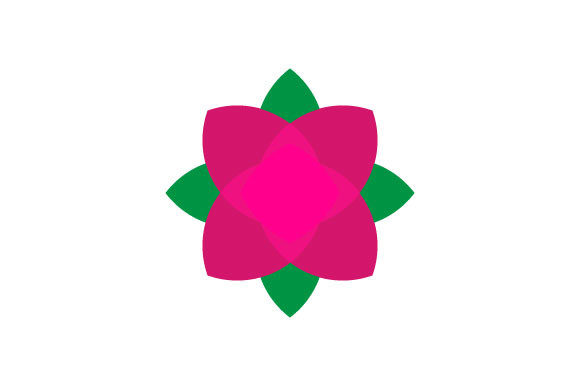
Vector Flower - 1 Embroidery Review
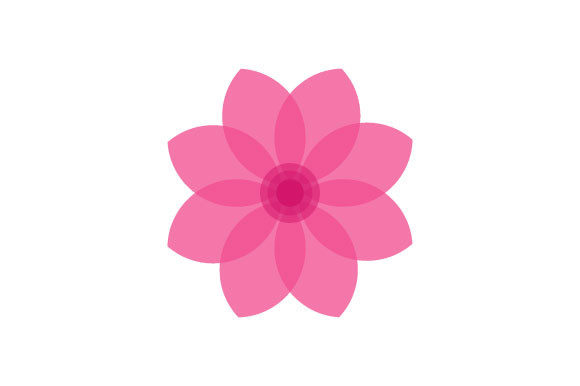
As a designer who spends more time staring at stitch charts and fabric swatches than sleeping, I have learned to be skeptical of any asset that claims to be "perfect for everything." That is why when I first pulled up Vector Flower - 1, I didn't just look at the preview image; I looked at how it would behave under the needle. This is an Illustrations category Graphics file described as a flat-style flower illustration with simple coloring in bright colors. On paper, it sounds like basic clip art. In practice, however, its simplicity is exactly what makes it a versatile tool for serious embroidery projects.
I recently tested this design while preparing a batch of custom embroidered tote bags for a local boutique client. The request was for something cheerful, recognizable, but not so intricate that it would take twenty minutes to stitch per bag. Here is my practical breakdown of how Vector Flower - 1 performs in real-world scenarios, where it shines, and where you need to exercise caution.
First Impressions: Mood and Visual Personality
The immediate takeaway from Vector Flower - 1 is its clean, uncluttered aesthetic. Because it utilizes a flat style with simple coloring, it avoids the visual noise that often plagues complex floral designs. When translated into an embroidery project, this translates to high readability. There are no tiny, ambiguous petals that might merge together if your tension is slightly off. The shape has a distinct personality—bright, approachable, and modern.
This mood makes it ideal for products targeting a younger demographic or those seeking a fresh, minimalist look. It feels right at home on a baby onesie, a nursery pillow cover, or a spring-themed tea towel. It does not feel heavy or ornate, which means it won’t overwhelm the garment it is placed on. For an Etsy seller looking to create a cohesive brand identity, this kind of consistent visual language helps build trust. Customers can instantly recognize the style, which adds value to the handmade product.
Real-World Application: Where This Design Fits Best
I have evaluated this machine embroidery design across several common use cases. Here is how it holds up:
- Tote Bags and Canvas Items: This is perhaps the strongest use case. The bright colors pop against natural canvas or solid-colored cotton. Because the design is relatively open, it stitches quickly, allowing you to produce higher volumes for craft fairs or online sales without burning out your machine.
- Baby Embroidery: Soft fabrics require gentle handling. The simple lines of Vector Flower - 1 mean less bulk and fewer dense areas that might irritate sensitive skin. It works beautifully for personalized gifts, such as monogrammed bibs or small blankets.
- Apparel Decorators: For custom apparel like sweatshirts or t-shirts, this design offers a nice balance. It is substantial enough to be seen from a distance but not so large that it restricts movement or feels cumbersome. It serves well as a standalone graphic or as part of a larger pattern repeat.
- Embroidered Patches: If you are creating patches for jackets or bags, the flat style lends itself well to applique techniques or clean satin borders. It creates a professional finish that looks intentional rather than accidental.
When used in commercial embroidery contexts, such as branding for a small shop, this design conveys professionalism. It suggests that the maker cares about clarity and quality. A cluttered design can sometimes signal haste, whereas a well-executed simple design signals confidence.
Technical Considerations and Potential Pitfalls
No design is without its challenges, and knowing where Vector Flower - 1 might struggle is just as important as knowing where it succeeds. As an experienced reviewer, I urge you to consider these factors before committing to a full production run.
Hoop Size and Detail: While the design is simple, you must check the specific hoop size requirements. If the original vector includes fine lines that are scaled down too much, they may disappear during stitching. Always inspect small details by zooming in on the digitized version. If the petals are represented by single lines of running stitch, ensure they are thick enough to hold their shape. If you are using this for a tote bag design that requires a smaller hoop, test the scaling carefully.
Fabric Texture and Stability: This design assumes a relatively stable surface. Avoid using it on highly textured fabrics like chunky knits or raw denim unless you are using a strong stabilizer. The smooth lines of the flat style will get lost if the underlying fabric is uneven. Similarly, thin fabrics may pucker if the stitch density is too high for the material weight. Always test on scrap fabric first to gauge how the thread colors interact with the base cloth.
Dark Fabrics and Contrast: The description mentions "simple coloring in bright colors." This implies that thread selection is critical. On dark fabrics, you cannot rely on the background color to provide contrast. You will likely need to use a backing stabilizer that matches your thread or apply a cut-away stabilizer to prevent show-through. If the bright colors are light pastels, they may vanish against navy or black fabric. Plan your thread colors strategically to maintain visibility.
Stretchy Fabrics: If you plan to embroider this on caps, hats, or stretchy jersey materials, be cautious. Curved surfaces can distort circular or symmetrical elements. The flower shape might appear oval if not stabilized properly. Use a hooping film or temporary spray adhesive to keep the fabric taut and true during stitching.
Practical Designer Notes for Success
To get the most out of this digital embroidery file, follow these practical steps:
- Test Before You Commit: Never assume a design will work perfectly on your final product. Stitch it out on the exact fabric and stabilizer you plan to use. Check for thread breaks, puckering, or misalignment.
- Review Stitch Density: Look at the fill stitch areas. Are they too dense? Too sparse? Adjusting the density in your software can improve the drape and appearance of the finished piece.
- Check Licensing: Since this is a graphics asset intended for commercial use, verify the license terms. Can you sell the finished items? Can you use it in digital mockups? Clarifying this prevents legal issues down the line.
- Mockup Visualization: Create black-and-white mockups to test contrast. This helps you see if the design’s structure holds up without the distraction of color. It also helps you decide if you need to add outlines or shadows for better definition.
- Stabilizer Selection: Choose the right stabilizer for the job. Cut-away for stretchy fabrics, tear-away for wovens, and water-soluble for delicate applications. The wrong choice can ruin even the best design.
Final Verdict
Vector Flower - 1 is a reliable, visually pleasing asset that brings clarity and brightness to embroidery projects. It is not a complex, high-end couture design, but it excels in accessibility and speed. For craft business owners, small shop products, and hobbyists alike, it offers a low-risk, high-reward option for creating attractive personalized gifts and holiday embroidery items.
If you are looking for a design that enhances brand consistency and engages buyers with its cheerful simplicity, this is a strong candidate. Just remember that the success of any embroidery project lies in the preparation. Test your threads, stabilize your fabric, and respect the limits of your machine. When done correctly, Vector Flower - 1 will deliver a polished, professional finished product that customers will love.