Home Plants: Fresh Graphics and Illustrations for Modern Blogs
In the crowded world of digital publishing, the difference between a casual visitor and a loyal reader often comes down to the first visual impression. As an experienced blog designer and publisher, I have spent years refining how content looks on screens ranging from massive desktop monitors to small mobile devices. Recently, I evaluated a specific graphic design asset titled Home Plants to see if it could elevate my editorial workflow. This review focuses on how this floral vector can transform your website presentation, boost reader trust, and support high-performance content marketing strategies.
The First Impression: Setting an Editorial Mood
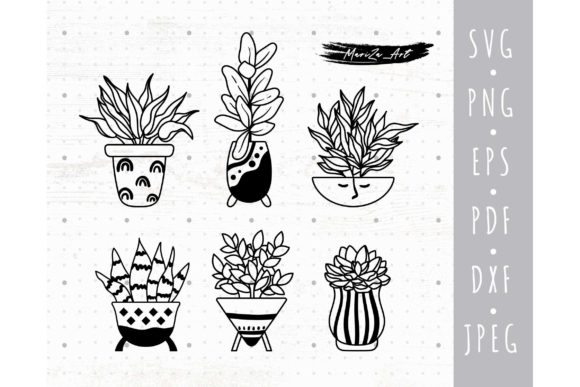
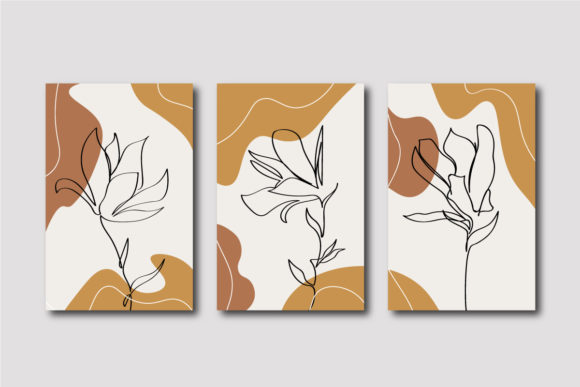
When I first opened the files for Home Plants, the immediate feeling was one of organic calmness mixed with modern sophistication. It is not merely a collection of clip art; it feels like a curated botanical illustration that fits seamlessly into lifestyle, wellness, and home decor niches. The aesthetic strikes a balance between playful and professional, making it versatile enough for a variety of content creators. Whether you are writing about sustainable living, interior styling, or personal growth, this asset creates an inviting atmosphere that encourages readers to stay longer.
The visual hierarchy established by the floral elements is subtle yet effective. It guides the eye without overwhelming the text, which is crucial for maintaining readability in long-form articles. For a digital publisher, this means your content feels polished and trustworthy. The design supports a narrative of growth and freshness, aligning perfectly with brands that want to project an image of natural beauty and thoughtful curation. It avoids looking dated or overly decorative, instead offering a clean, contemporary look that resonates with today's visually literate audience.
Integrating Home Plants into Real Publishing Workflows
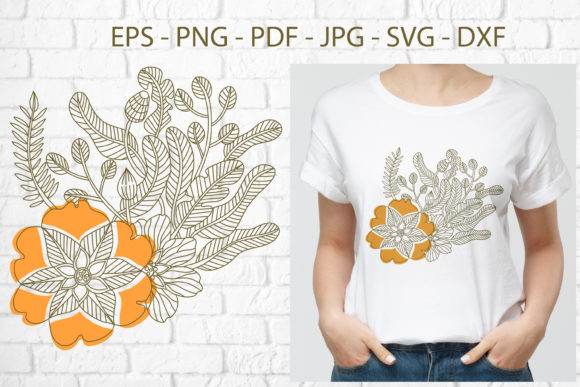
Imagine you are preparing a week's worth of content for your affiliate blog. You need featured images for five new articles, a series of Pinterest pins, and a header for your latest newsletter. Traditionally, sourcing these visuals can be a disjointed process. However, using Home Plants as a central graphic element streamlines this entire workflow. Because the asset is available in multiple formats including AI 10, EPS 10, SVG, JPG, and PNG, you have the flexibility to adapt it for any platform.
The 1920 px x 1280 px canvas size provides ample room for high-resolution displays, ensuring that your Pinterest pin graphics look crisp and clickable. You can easily crop sections of the design for category thumbnails or use the full composition for a website banner. For those creating lead magnets or digital guides, this floral vector asset serves as an excellent foundation for eBook covers or downloadable worksheets. The ability to edit the design as needed allows you to customize colors to match your brand identity while retaining the core artistic value.
I also tested this asset within Canva templates to create social media graphics. The layers remained intact, allowing me to overlay headlines and call-to-action buttons without losing quality. This versatility makes it a powerful tool for content marketing efforts where consistency across channels is key. From email headers to Instagram story highlights, Home Plants ensures your visual language remains cohesive, reinforcing your brand identity every time a user interacts with your content.
Elevating Visual Hierarchy and Click-Through Potential
One of the most significant benefits of incorporating high-quality design assets like Home Plants is the improvement in click-through rates. When a user scrolls through a feed of search results or social media posts, they scan for visual cues. A well-designed Home Plants graphic stands out against plain backgrounds, drawing attention to your link. This stronger first impression translates directly to better engagement metrics.
Furthermore, consistent use of such graphics builds a recognizable visual system. Readers begin to associate the floral motifs with the quality of your information. This psychological association fosters improved reader trust, making them more likely to return to your site. In the realm of affiliate marketing, where trust is the currency of conversion, having a professional-looking site supported by elegant illustrations can significantly impact your bottom line. It signals that you care about details, which extends to the products you recommend.
Strategic Placement for Maximum Impact
To get the most out of Home Plants, placement is everything. I found that hero images benefit immensely from the full-scale resolution of the vector file. Placing a stylized version of the plant graphics behind your main headline creates depth and draws the eye immediately. Similarly, using these designs as editorial accents within article layouts breaks up dense text blocks, making the content feel lighter and more approachable.
For downloadable resources, such as printable planners or checklists, this asset adds a touch of elegance that justifies the perceived value of the product. It transforms a simple PDF into a premium digital product. In newsletter graphics, a subtle border or corner accent featuring the floral elements can frame your text beautifully, enhancing the overall reading experience. Even for small business branding, these illustrations work well on service pages or "About" sections to humanize the brand and add warmth.
Navigating Limitations and Best Practices
While Home Plants is a versatile tool, there are scenarios where it requires careful consideration. On very small mobile thumbnails, intricate floral details might become indistinct or pixelated if not scaled correctly. In these cases, it is best to use simplified versions or solid color blocks derived from the palette rather than the full detail. Additionally, if your niche is highly corporate or serious professional services, the decorative nature of the plants might clash with the desired tone. In such instances, a more minimal visual system would be preferable.
Another critical factor is contrast. If you place these graphics on a busy background or over complex photography, the message may get lost. Always ensure the text remains legible. I recommend testing the asset in black and white to verify that the shapes hold their form without relying solely on color. This ensures accessibility and maintains visual integrity across different viewing conditions.
Practical Publisher Notes for Implementation
Before integrating Home Plants into your live site, there are several technical steps to take. First, test the graphics on both desktop and mobile screens to confirm they render correctly at various resolutions. Check how they look as a thumbnail in your blog archive view; sometimes what looks good on a large screen appears cluttered when shrunk. Preview the design inside a real blog layout with your actual headline fonts to see how they interact.
Typography pairing is essential. Try placing the graphics beside serif fonts for a classic editorial look, sans-serif fonts for a modern vibe, or script fonts for a creative touch. Reviewing these combinations will help you find the perfect match for your brand voice. Also, do not overlook web performance. While the vector files are scalable, the raster exports (JPG/PNG) must be compressed properly to avoid slowing down your site load times. Fast loading speeds are vital for SEO and user retention.
Finally, always confirm your commercial license before using these graphics on monetized websites, affiliate pages, or paid content products. Ensure you have the rights to use the floral vector asset for your specific business model. By following these guidelines, you can leverage Home Plants to create stunning website headers, engaging social media graphics, and professional digital guides that truly stand out.
In conclusion, Home Plants is more than just a decoration; it is a strategic component of a robust content strategy. By thoughtfully applying this creative design asset, bloggers and publishers can enhance their visual communication, strengthen their brand identity, and deliver a superior reading experience. Whether you are launching a new site or refreshing an existing one, investing in high-quality illustrations pays dividends in reader engagement and loyalty.