Flowers in a Cup Embroidery Review
As someone who spends more time staring at stitch density charts and fabric swatches than actually sleeping, I approach every new digital asset with a healthy dose of skepticism. We have all been there: you find the perfect embroidery file, download it, and immediately start imagining the finished product sitting on your Etsy shop page. But will it hold up? Will it look cheap after three washes? Or will it truly elevate a handmade product? That is the question I ask myself before committing to any design.
This week, I pulled Flowers in a Cup from my library of Illustrations and Graphics to test its viability for real-world application. This isn't just about how pretty the vector looks on a screen; it is about how that hand-drawn aesthetic translates into thread, needle, and cloth. If you are an Etsy seller, a small business owner, or a crafter looking to add value to your custom apparel, read on for a practical breakdown of what works, what does not, and where this design shines.
The First Impression: Mood and Visual Personality
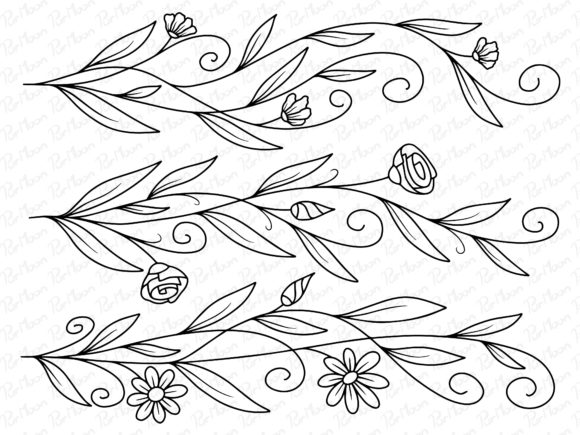
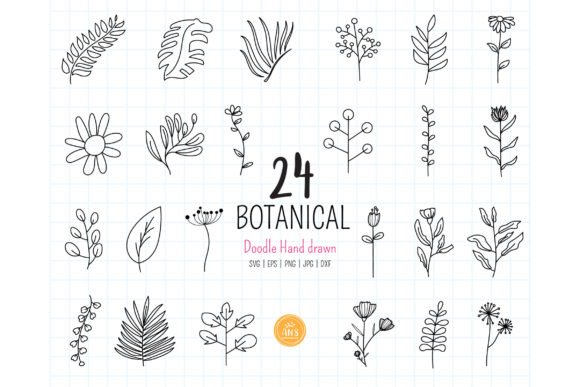
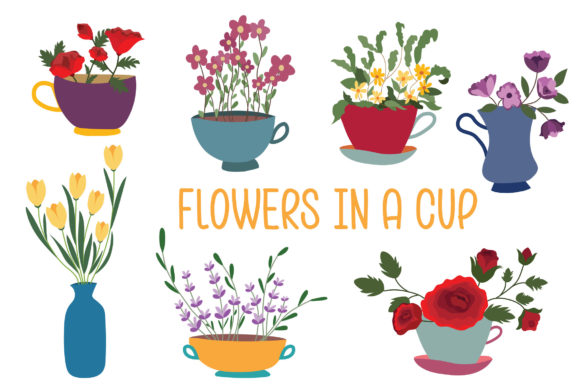
When you first load the Flowers in a Cup design into your digitizing software, the immediate takeaway is its organic warmth. Unlike rigid, geometric floral patterns that can feel sterile or overly modern, this design leans heavily into a cozy, cottage-core aesthetic. The hand-drawn technique used in the original vector gives each of the seven plants—including the Primrose and Rose—slight imperfections that mimic natural growth rather than factory precision.
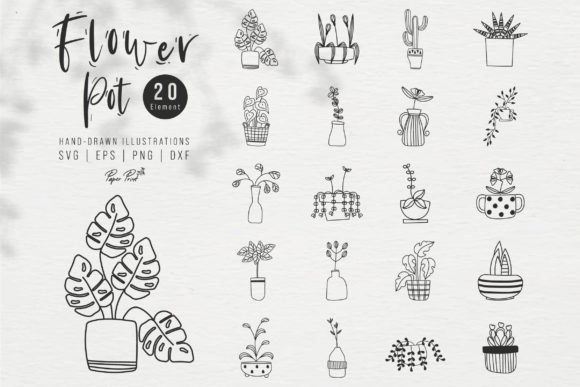
This visual personality makes it incredibly versatile. It does not scream "trendy" in a way that will feel outdated in six months. Instead, it whispers "timeless." For a designer, this is gold. It suggests that this design belongs in categories like nursery decor, bridal showers, or rustic wedding favors. The layout, featuring flowers spilling out of a cup or pot, creates a contained yet overflowing composition that is visually satisfying without being cluttered. It feels like a gift waiting to happen.
Real-World Application: Where Does It Fit?
I put Flowers in a Cup through its paces by mentally (and physically) mapping it onto several common merchandise categories. Here is how it performs in actual production scenarios.
- Tote Bags and Canvas Totes: This is perhaps the strongest use case. A tote bag design benefits from the central placement of this motif. The sturdy canvas provides a stable ground for the stitches, allowing the fine lines of the hand-drawn stems to remain crisp. It appeals directly to the demographic buying eco-friendly, artisanal accessories.
- Sweatshirt Embroidery: Imagine a cream or sage green crewneck sweatshirt with this design centered on the chest. The contrast between the soft fleece texture and the structured embroidery adds a layer of professionalism. It elevates a basic garment into a boutique item, justifying a higher price point for small shop products.
- Baby Embroidery and Nursery Decor: The inclusion of Primroses and Roses in soft, pastel-friendly colorways makes this ideal for baby clothes, bibs, or quilt squares. Parents love personalized gifts that feel gentle and nurturing. This design delivers exactly that emotional resonance.
- Kitchen Towels and Aprons: For the craft business owner, kitchen textiles are high-volume sellers. The "cup" element ties nicely into themes of tea, coffee, or home baking. On a linen apron, this design suggests a chef who appreciates beauty in the mundane.
- Embroidered Patches: Because the design is self-contained within the shape of the cup/flowers, it converts beautifully into a patch. Whether iron-on or sewn onto denim jackets, it acts as a badge of creativity.
Technical Considerations and Stitch Clarity
Visual appeal means nothing if the stitching falls apart. When evaluating Flowers in a Cup for technical execution, we must look at the interplay between different stitch types. The petals likely rely on a combination of satin stitch for defined edges and fill stitch for volume, while the stems and leaves may utilize running stitch or a lighter fill to maintain flexibility.
The key challenge here is stitch density. Hand-drawn vectors often contain thin lines that can become muddy if digitized with too much thread coverage. You need to ensure the digitizer has left enough negative space between the flower heads so they do not merge into a blob of color. If the density is too high, the fabric will pucker, especially on lighter materials. Conversely, if it is too sparse, the design may look unfinished or flimsy against the background fabric.
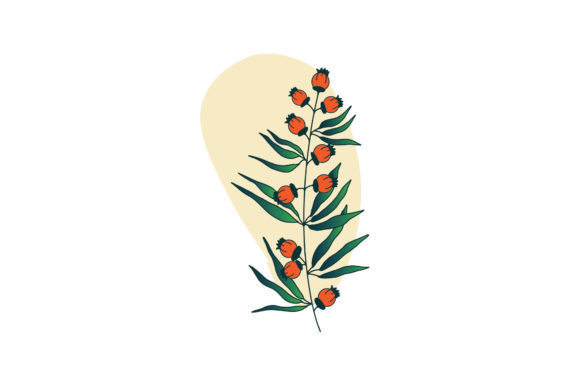
Thread colors play a massive role in the success of this project. Because the illustration uses a hand-drawn technique, subtle variations in hue are implied. In thread form, you must choose colors that provide enough contrast to distinguish each of the seven plants. Using analogous colors (e.g., light pink next to dark pink) works well for harmony, but you must ensure they are distinct enough to be recognized as separate elements when stitched.
Where to Use It Carefully
No design is universal, and Flowers in a Cup has specific limitations that every embroidery designer should respect. There are certain contexts where this design might struggle.
- Small Hoop Sizes: If you attempt to stitch this in a very small hoop (under 4x4 inches), the details of the individual flowers may become indistinguishable. Tiny petals can disappear into the fabric weave, leaving only a vague impression of color. Always scale down carefully and inspect the result.
- Textured and Stretchy Fabrics: Avoid using this design on highly textured fabrics like chunky knits or bouclé wool. The uneven surface will distort the delicate lines of the hand-drawn style. Similarly, stretchy fabrics like spandex blends require a strong stabilizer backing; otherwise, the tension of the machine embroidery design will cause the cup shape to warp.
- Dark Fabric Without Underlay: Stitching light-colored threads on dark fabric can sometimes result in shadowing, where the dark fabric shows through the top thread. Ensure your digitizing includes proper underlay stitches to block the background color.
- Curved Surfaces: While possible, placing this design on a curved surface like a baseball cap requires advanced hooping techniques. The flat nature of the vector may not conform perfectly to the curve, potentially distorting the circular shape of the cup.
Practical Designer Notes for Success
Before you rush to list this as a commercial embroidery item or print it on a printable mockup, follow these essential steps to protect your reputation and ensure quality.
Test on Scrap Fabric First: Never assume a design will work because it looks good on a screen. Stitch it out on the exact type of fabric you plan to sell. Check for puckering, thread breaks, and color accuracy.
Review Stitch Density and Stabilizer: Confirm the recommended hoop size and check whether the design requires cut-away or tear-away stabilizer. For items that will undergo frequent washing, such as custom apparel or kitchen towels, a cut-away stabilizer is usually safer to prevent distortion over time.
Inspect Small Details: Zoom in on the digital file. Are the tiny stamens in the roses clear? Can the leaves be distinguished from the stems? If details are lost, consider simplifying the design or increasing the scale.
Check Licensing: As a professional, you must verify the license terms. Even though this is a digital embroidery file, some creators restrict commercial use of the final physical product. Ensure you have the right to sell finished items made with this design, or purchase an extended license if needed.
Black and White Mockups: Convert your design preview to black and white. This helps you see the balance of light and dark areas without the distraction of color. If the composition feels unbalanced in grayscale, it will likely feel unbalanced in color.
Final Verdict
Flowers in a Cup is a charming, well-composed design that brings a touch of elegance to everyday objects. Its hand-drawn character gives it a soulful quality that resonates with customers looking for authentic, personalized gifts. It performs exceptionally well on tote bags, sweatshirts, and nursery items, provided the stitch density is managed correctly and appropriate stabilizers are used.
For the creative entrepreneur, this design offers a reliable foundation for building a cohesive brand aesthetic. It is not flashy, but it is enduring. By paying attention to the technical details—thread contrast, fabric choice, and hoop stability—you can transform this simple vector into a premium finished product that customers will cherish. Just remember: the magic is not just in the design, but in the execution.