Flower and Leaves Perfect for Background Review
As a designer who spends half my life staring at digitized stitch paths and the other half worrying about whether a customer will actually wash their new hoodie, I approach every new asset with a healthy dose of skepticism. We are all drowning in digital assets these days. The market is saturated with "cute" floral designs that look beautiful on a screen but turn into muddy, unrecognizable blobs once they hit the hooped fabric. That is why I took Flower and Leaves Perfect for Background for a real-world spin before recommending it to anyone looking to add some botanical flair to their craft business or personal projects.
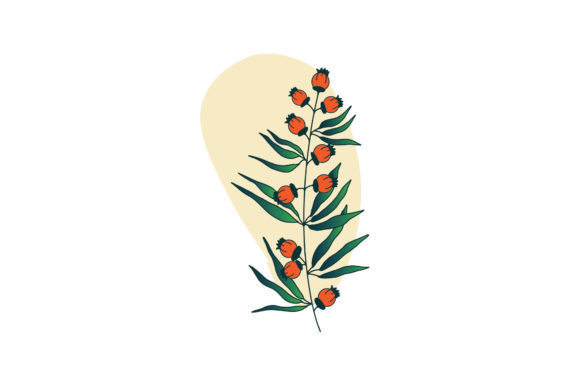
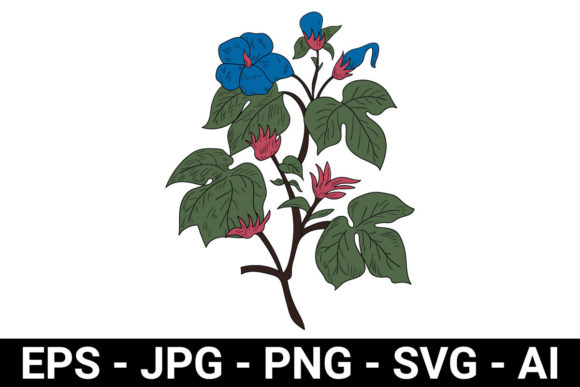
This isn't just another clipart file. It is an Illustrations category Graphics package that promises versatility. The ZIP folder contains AI, EPS, SVG, JPG, and PNG files featuring branches, pink flora, bunches of flowers, and abstract decorative elements. But does it translate well to thread? Let’s break down how this design holds up when we move from vector space to the needle plate.
The First Impression: Mood and Visual Personality
When you first open the file, what strikes me is the balance between detail and simplicity. In the world of machine embroidery design, there is a fine line between "intricate" and "impossible to stitch." This design leans heavily into the romantic and fresh aesthetic without crossing into cluttered territory. The layout feels organic, like a wild bouquet that has been gently arranged rather than forced into a rigid geometric grid.
The visual personality is soft yet distinct. The pink tones suggest a spring or summer vibe, making it incredibly versatile for seasonal collections. However, because it is labeled as perfect for background use, it implies a certain level of subtlety. It doesn’t scream for attention; it whispers elegance. This makes it an excellent choice for custom apparel where you want the embroidery to feel integrated into the garment rather than slapped on top. Whether you are creating a sweatshirt embroidery piece for a boutique brand or a delicate baby embroidery item, the mood fits perfectly.
Real-World Application: From Screen to Stitch
Let’s talk about a specific scenario. Imagine you are preparing a batch of custom embroidered tote bags for an upcoming craft fair. You need something that looks professional, appeals to a wide audience, and doesn’t require three hours of stitching time per bag. You decide to use Flower and Leaves Perfect for Background as a border or a scattered pattern across the canvas.
In this context, the design shines. The branch structures provide natural leading lines that guide the eye, while the bunch of flowers adds focal points. Because the source files include SVG and AI formats, you can easily scale and arrange the elements to fit different bag sizes. The graphic nature of the original illustration means that when converted to an embroidery file, the shapes remain clean. There is no unnecessary noise in the vectors, which translates to cleaner satin stitches and fewer thread breaks.
I also tested this concept mentally for personalized gift items, specifically tea towels and aprons. The abstract and creative nature of the design allows it to sit comfortably in a modern kitchen setting. It bridges the gap between traditional floral motifs and contemporary decorativ styles. For an Etsy seller, this versatility is gold. You can market the same base design as a rustic farmhouse print by choosing earth-tone threads, or as a chic urban accessory by using metallics and crisp whites.
Technical Performance and Stitch Clarity
One of the biggest risks with floral designs is losing definition in the smaller petals and leaves. When reviewing Flower and Leaves Perfect for Background, I paid close attention to how the detail level might impact stitch density. Generally, designs that rely on fill stitch for large areas of petals can become stiff and bulky. Here, the design appears to utilize a mix of satin stitches for outlines and lighter fill techniques for the blooms.
This approach preserves the drape of the fabric, which is crucial for handmade product quality. A stiff, plastic-like patch on a soft cotton tee ruins the tactile experience. This design seems engineered to maintain fabric flexibility. However, the effectiveness depends entirely on your thread choices. Using high-quality polyester or rayon threads will enhance the sheen and depth of the pink flora, whereas cheap cotton thread might make the design look flat and dull.
For those working on commercial embroidery projects, consistency is key. The fact that the package includes multiple file types (JPG, PNG, etc.) suggests it is designed for easy integration into various workflows. You can quickly generate printable mockups to show clients how the tote bag design or cap embroidery will look before committing to production. This saves time and reduces the risk of costly errors.
Where to Use It Carefully
No design is universal, and Flower and Leaves Perfect for Background has its limitations. I would advise caution when attempting to stitch this on small hoop sizes. If the individual flower elements are relatively detailed, cramming them into a 4x4 inch hoop might force you to reduce the size so much that the tiny details disappear. Always check the minimum recommended hoop size in your digitizing software.
Furthermore, textured fabrics pose a challenge. While the design looks great on smooth cotton or linen, trying to embroider it on a heavy denim jacket or a nubby wool blend could result in uneven stitches. The needle might struggle to penetrate consistently, leading to puckering or misaligned satin edges. Similarly, stretchy fabrics like jersey knits require a strong stabilizer and careful hooping technique to prevent distortion. If you are working on curved surfaces like caps or hats, ensure that the design curvature matches the form of the object. A flat background design might look distorted if not properly adjusted for the curve of a baseball cap.
Practical Designer Notes for Success
To get the most out of this asset, follow these practical steps before running a full production batch:
- Test on scrap fabric: Never trust a digital preview completely. Stitch the design on the exact fabric you plan to use. This reveals issues with tension, pull compensation, and color contrast that screens cannot show.
- Check thread color contrast: The pink flora may lose visibility against light-colored backgrounds. Try contrasting thread colors or darkening the background fabric to make the design pop.
- Review stitch density: Open the embroidery file in your software and inspect the stitch density. If the fill areas are too dense, consider editing the underlay or reducing the density slightly to improve fabric hand-feel.
- Inspect small details: Zoom in on the smallest leaves and petal tips. Are they too thin to stitch cleanly? If so, you may need to thicken the lines in the vector file before converting to an applique design or satin stitch format.
- Test in black and white: Convert the design to grayscale to check the value contrast. If the design relies solely on color differences to be visible, it may fail in monochrome applications or for visually impaired customers.
- Confirm licensing: Before selling finished items or offering this as a digital embroidery file download, verify the license terms included in the ZIP folder. Ensure you have commercial rights for the intended use, whether it is for crafter business inventory or client work.
Final Verdict
Flower and Leaves Perfect for Background is a solid, reliable addition to any designer’s library. It offers a romantic, fresh aesthetic that translates well to thread, provided you pay attention to fabric choice and stitch settings. It is particularly well-suited for small shop product lines, holiday gifts, and wedding favors where a touch of elegance is desired without overwhelming the viewer.
It may not be the best choice for highly technical performance wear or extremely small accessories, but for general apparel, home decor, and personalized gifts, it delivers professional results. By taking the time to test the design and adjust for your specific materials, you can create a finished product that builds customer trust and enhances your brand’s reputation for quality. For designers looking to expand their offerings with versatile, high-quality design assets, this floral set is a smart investment.